
Shanklin Shrinkwrap
Factory Acceptance Testing for Custom Systems
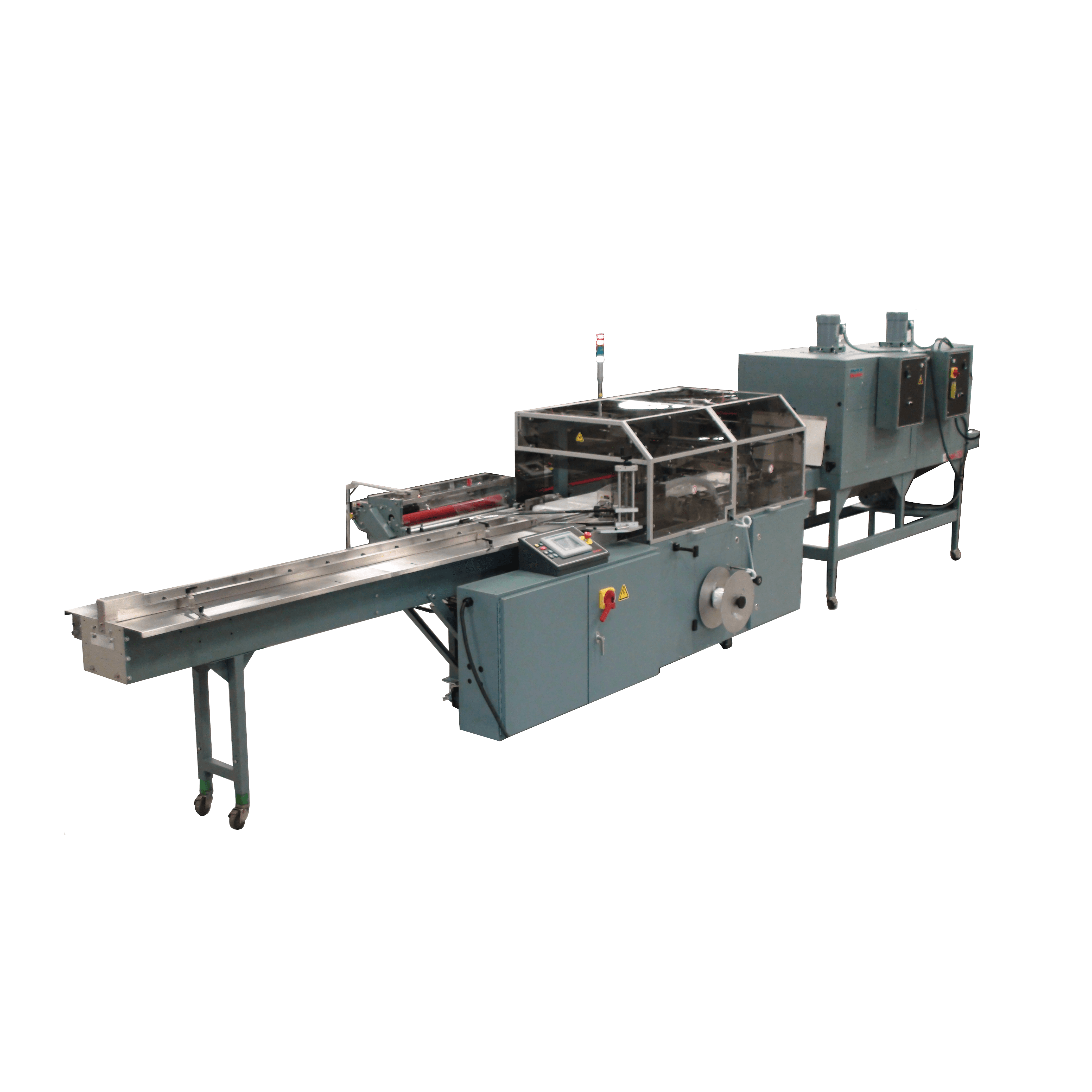
As an Applications Engineer at Sealed Air, I supported the commissioning and validation of Shanklin shrink wrap packaging machines through structured Factory Acceptance Tests (FATs). These tests served as the final technical checkpoint before equipment shipped to customers, ensuring machines met contractual performance specifications and were ready for production deployment. The role sat at the intersection of engineering, sales, and customer relations - requiring both hands-on machine knowledge and the ability to communicate technical results clearly to non-technical stakeholders.
Note: Project details have been generalized to remove sensitive information.


Overview
As part of the commissioning process for Shanklin packaging systems, I led Factory Acceptance Testing (FAT) activities to ensure each custom-configured machine met the performance and functionality defined in the customer's purchase agreement before shipment. FAT served not only as a technical validation process but also as a live customer demonstration, where successful execution directly influenced customer confidence and final project sign-off.
The Challenge
Each machine was uniquely configured for a customer's production environment, requiring validation against specific performance requirements, including:
Throughput and production rates
Seal integrity and package quality
Film tracking and machine reliability
Customer-specific engineered features
Because customers attended FAT sessions in person, performance, documentation, and presentation all had to be flawless.
My Role
Working closely with Sales and Custom Engineering, my role was to:
Reviewed customer scope documents and acceptance criteria for every machine build.
Planned and executed Factory Acceptance Tests using representative customer products.
Configured machine parameters and calibrated operating conditions.
Collected and documented test data against customer performance requirements.
Led live customer demonstrations and technical walkthroughs.
Answered engineering questions during testing and facilitated final customer sign-off.
Improving the FAT Process
To reduce manual effort and improve consistency across machine builds, I developed an internal configuration tracking tool that standardized how machine setup information was recorded and referenced.
The tool centralized key operating parameters, including:
Film specifications
Conveyor speeds
Seal bar temperatures
Heat tunnel settings
Customer-specific machine configurations
This created a single source of truth for recurring machine setups and simplified documentation across multiple customer projects.
Results & Impact
The standardized FAT process contributed to successful customer approvals across multiple Shanklin machine configurations while improving internal efficiency.
Key outcomes included:
Reduced setup time for repeat machine configurations.
More consistent documentation and test records across projects.
Faster comparison of machine configurations when troubleshooting customer issues.
Improved collaboration between Engineering, Sales, and Manufacturing teams.
Increased confidence during customer-facing demonstrations and technical reviews.
The experience strengthened my ability to commission complex electromechanical systems, translate customer requirements into measurable acceptance criteria, and communicate technical results clearly in high-stakes, customer-facing environments.
